Let’s talk about one of the most iconic institutions in the Midwest—the University of Kansas, also known affectionately as KU. With its rich history, vibrant campus life, and academic excellence, it’s no wonder that students from all over the world choose to call this place home.
Location and Campus Size
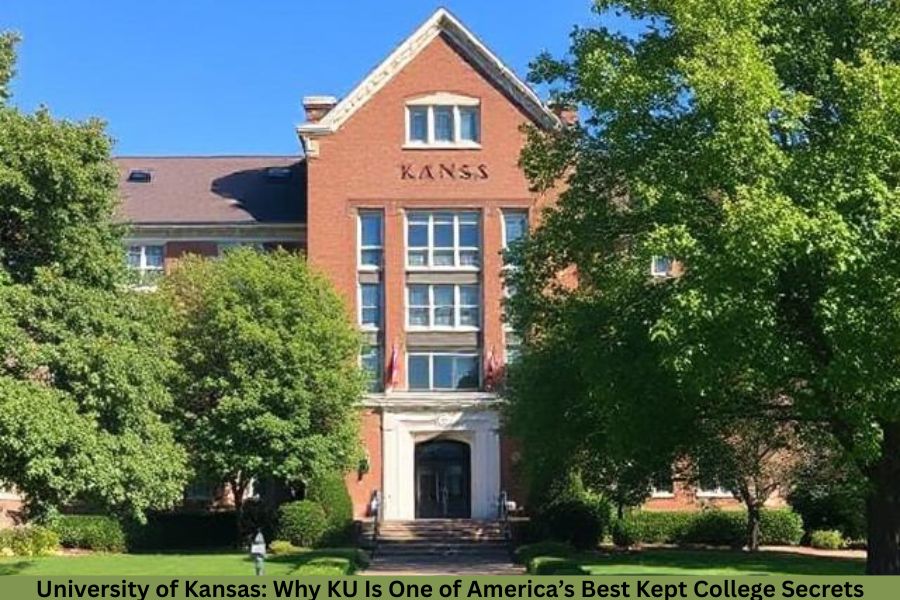
Nestled in the lively town of Lawrence, Kansas, KU boasts a sprawling campus that spans over 1,000 acres. The campus is filled with historic buildings, modern classrooms, and scenic views that make studying feel a bit less stressful.
History of the University of Kansas
Founding and Early Years
KU was established in 1865, right after the Civil War, as part of a growing effort to build higher education in the newly admitted state of Kansas. It officially opened its doors in 1866 with only a handful of students and faculty.
Significant Milestones
From graduating its first class in 1873 to becoming a major research university in the 20th century, KU has constantly evolved. It played a role in national civil rights efforts and academic innovation over the decades.
Evolution Over the Decades
KU has expanded into multiple campuses, including the main one in Lawrence, as well as medical and research campuses in Kansas City, Wichita, and Salina.
Academics at the University of Kansas
Colleges and Schools
KU isn’t just one big institution—it’s a collection of highly respected colleges and schools.
College of Liberal Arts & Sciences
The largest and most diverse college, offering everything from psychology to political science.
School of Engineering
Known for cutting-edge research and strong industry ties.
School of Business
AACSB-accredited and home to some of the Midwest’s sharpest future entrepreneurs.
Popular Majors and Programs
Business, Engineering, Journalism, Pharmacy, and Health Professions consistently top the list of popular programs.
Research Opportunities
With more than \$300 million in annual research expenditures, students get access to hands-on learning through faculty-led research, lab work, and think tanks.
Campus Life at KU
Student Organizations
Over 600 student organizations mean there’s something for everyone—whether you’re into politics, poetry, or Pokémon.
Housing and Dorm Options
KU offers traditional dorms, suite-style housing, and apartment options to accommodate every student’s lifestyle.
Dining Services
From classic dining halls to vegan cafes and global cuisine trucks, KU’s food scene is better than you’d expect.
Athletics and Sports Programs
The Kansas Jayhawks Legacy
Rock Chalk, Jayhawk! KU is home to one of the most legendary college basketball programs in the country.
Facilities and Fan Culture
Allen Fieldhouse is more than a gym—it’s a mecca for college basketball fans. Tailgating and game day traditions are a core part of the KU experience.
Admission Process
Requirements for Freshmen
Applicants should aim for a solid GPA, decent SAT/ACT scores, and a strong high school record. KU has adopted a test-optional policy for flexibility.
Transfer and International Students
KU welcomes students from all over the world and provides a seamless transfer process with advisor support.
Scholarships and Financial Aid
Generous merit-based scholarships and financial aid packages make KU an affordable option for many students.
Notable Alumni
Influential Graduates Across Fields
From Wilt Chamberlain to journalist Bob Dole and tech innovator Brian McClendon (Google Earth), KU’s alumni network is as diverse as it is impressive.
Community Engagement
Outreach Programs
KU partners with schools, nonprofits, and civic organizations to serve the community and promote learning beyond the classroom.
Local and Global Impact
Students and faculty alike participate in service trips and development projects both locally and globally.
Lawrence, Kansas – The College Town
Student-Friendly Activities
Lawrence is packed with live music venues, coffee shops, hiking trails, and art galleries—a perfect mix for college life.
Cost of Living
Compared to major cities, Lawrence offers a much more affordable lifestyle while still providing the perks of a cultural hub.