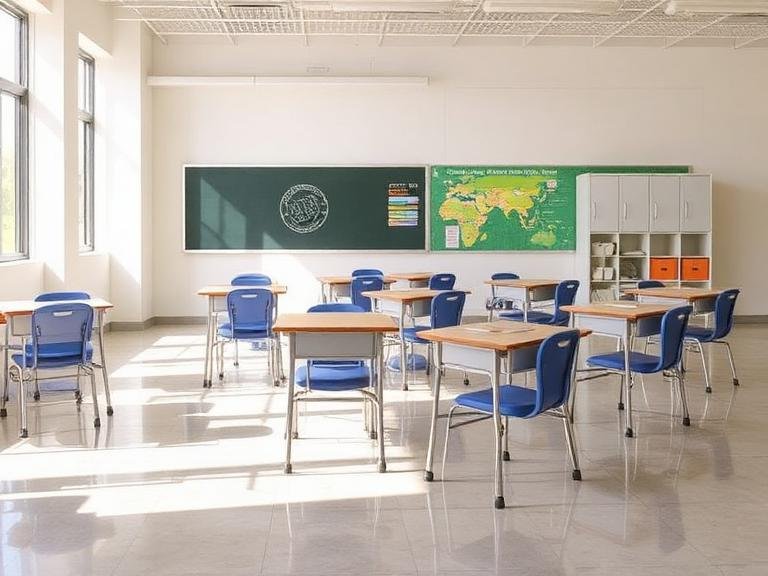
The way a classroom is set up changes how students learn. That is not an opinion, it is backed by decades of research in educational psychology and ergonomics. Uncomfortable seating shortens attention spans. Inflexible layouts limit teaching styles. The wrong school furniture creates physical barriers to the learning that schools exist to deliver. The Australian education furniture market is worth hundreds of millions of dollars annually, and schools are increasingly recognising that furniture is not just infrastructure. It is a learning tool. This article covers what that actually means in practice.
Does Classroom Furniture Really Affect Learning Outcomes?
Yes. A landmark 2015 study from the University of Salford in the UK tracked 751 students across 27 classrooms over a full academic year. The research found that classroom design, including furniture layout and ergonomics, accounted for 16% of the variation in learning progress across pupils. That is a bigger effect than most schools expect from a physical variable.
The mechanisms are well understood. Comfortable students move less to compensate for discomfort. Students who move less to compensate stay focused longer. Focused students absorb and retain more. The chain from furniture to learning outcome is real and measurable.
What Ergonomic Standards Apply to School Furniture?
School furniture must match the anthropometric range of the students using it. This means chairs and desks cannot be one-size-fits-all. Australian standards for school furniture, informed by AS/NZS 4602, specify seat height ranges that correspond to student age groups and height distributions.
A chair designed for a Year 7 student should allow feet to rest flat on the floor with knees at 90 degrees and adequate thigh clearance from the seat. Desks should sit at elbow height when the student is seated correctly. These are precise measurements, not rough guidelines. When furniture does not match the body using it, postural compensation begins immediately, and that compensation is what causes the chronic pain and focus problems.
How Does Flexible Furniture Change Teaching Practice?
Traditional fixed-row classroom layouts assume one teaching mode: teacher at the front, students facing forward. That suits direct instruction but limits group work, collaborative problem solving, and project-based learning, which are all central to modern curriculum design.
Mobile furniture changes this. Tables on castors that reconfigure in under two minutes allow a classroom to shift from rows to group clusters to a presentation circle without losing lesson time. Research from New Zealand’s Ministry of Education found that teachers with access to flexible classroom furniture used more varied teaching modes, which directly correlated with improved student engagement scores.
What Materials Hold Up Best in a School Environment?
Schools are hard on furniture. The daily use cycle is intense. Students lean back in chairs, drag tables across floors, and test every joint and fitting without meaning to. Furniture that looks acceptable in a showroom often fails in a school within 18 months.
Polypropylene shell chairs are the benchmark for durability in school seating. They resist impact, do not crack under normal use, and clean easily with standard classroom disinfectants. Steel-framed chairs with welded rather than bolted joints handle the lateral and dynamic forces of school use without loosening over time.
Desk surfaces need to withstand marking, cleaning chemicals, and abrasion from books and bags. High-pressure laminate surfaces on commercial-grade particleboard or MDF substrates are the practical standard. The edge banding and joint construction matter just as much as the surface material.
Why Is Acoustic Design a Hidden Priority in Classrooms?
Classroom noise is one of the most underestimated barriers to learning. A 2004 study by the Acoustical Society of America found that children with hearing in the normal range need a signal-to-noise ratio of at least 15 decibels above background noise to understand speech reliably. Most poorly designed classrooms do not achieve this.
Furniture contributes to acoustic performance in two ways. Hard surfaces like laminate desks reflect sound and add to reverberation. Upholstered seating, soft furnishings, and acoustic panel elements absorb sound. Specifying a mix of materials with acoustic properties in mind is part of responsible school furniture design. Chairs with felt or rubber feet also reduce impact noise, which in a busy classroom is a constant low-level distraction that most schools accept without question.